
Composting for Beginners: Turn Waste Into Value

This post may contain affiliate links. As an EcoChyce reader, your support helps us continue sharing sustainable guides at no extra cost to you.

Composting is one of the simplest yet most powerful ways to give back to the Earth. By breaking down food scraps and organic waste into nutrient-rich soil, we close the loop of consumption and renewal. This natural process not only reduces landfill waste but also nourishes the ground that sustains us. In this post, youโ€™ll learn what composting really is, how it works, and how making small changes in your daily habits can have a lasting impact on the planet.

๐ŸŒฟ What Is Compost

Compost is nutrient-rich organic matter created when food scraps, yard waste, and other natural materials break down through a controlled, aerobic process. With oxygen, moisture, and helpful microorganisms, these materials transform into a dark, crumbly soil amendment that restores life to the ground and reduces landfill waste.

Compost improves soil structure, boosts biodiversity, and helps plants grow stronger โ€” all while cutting methane emissions from landfills. Itโ€™s a simple, circular solution: return what came from the earth back to the earth. ๐ŸŒŽ

๐ŸŒ How Compost Impacts the Earth

Composting is one of the simplest yet most powerful ways to restore balance to our planet. ๐ŸŒฑ By turning organic waste โ€” like food scraps and yard trimmings โ€” into nutrient-rich soil, composting supports a full circle of renewal that benefits the Earth from the ground up.

๐ŸŽ 1. Reduces Landfill Waste

Nearly 30% of what ends up in landfills could be composted. When organic waste breaks down in landfills, it releases methane โ€” a greenhouse gas more potent than COโ‚‚. Composting diverts this waste, turning what would have become pollution into nourishment instead.

๐ŸŒฟ 2. Restores Soil Health

Healthy soil is alive. Compost adds essential nutrients and organic matter that strengthen soil structure, retain moisture, and support biodiversity. This means stronger roots, healthier crops, and natural resistance against drought or erosion. ๐ŸŒพ

๐Ÿ’ง 3. Helps the Water Cycle

Compost-enriched soil absorbs and filters rainwater more effectively, preventing runoff and keeping waterways cleaner. Itโ€™s a natural way to conserve water while protecting rivers, lakes, and oceans from pollution. ๐Ÿ’ฆ

๐ŸŒŽ 4. Supports Climate Balance

Composting returns carbon to the soil instead of the atmosphere, helping to offset emissions and slow climate change. By mimicking natureโ€™s own recycling system, composting becomes a small act with a global impact โ€” helping restore the Earthโ€™s balance one handful at a time. ๐ŸŒพ

๐ŸŒฌ๏ธ 5. Reduces COโ‚‚ Emissions

Composting lowers carbon dioxide emissions by keeping organic materials out of landfills and reducing the need for chemical fertilizers. When compost replaces synthetic inputs, less energy is used in production and transport โ€” cutting COโ‚‚ release and supporting cleaner air. ๐ŸŒค๏ธ

๐ŸŒฑ Ways You Can Take Action (Compost)

Choose a compost method that fits your space, energy, and lifestyle. Start small, keep it simple, and grow your practice over time.
Each option below includes quick learning links and a book to support your journey. ๐Ÿ“š

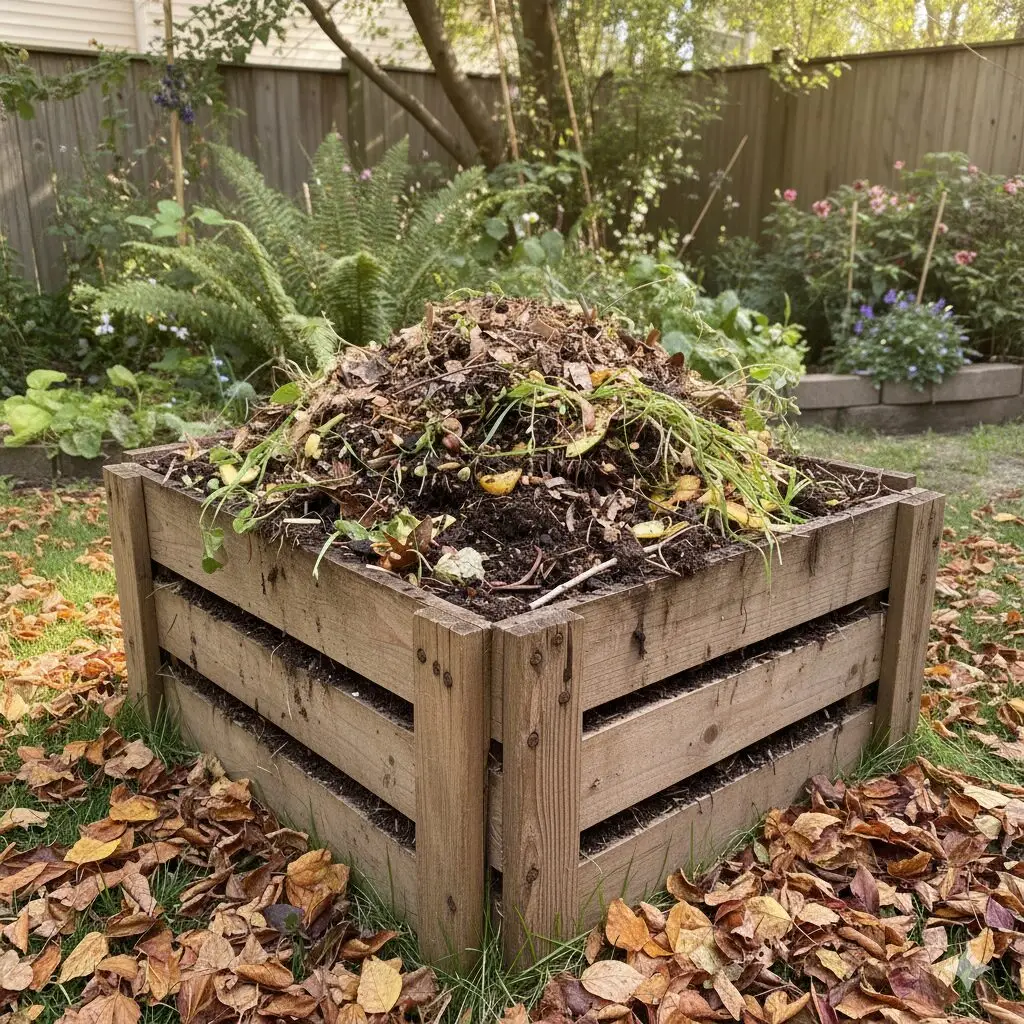
1. ๐ŸŒฟ Backyard Pile or Bin

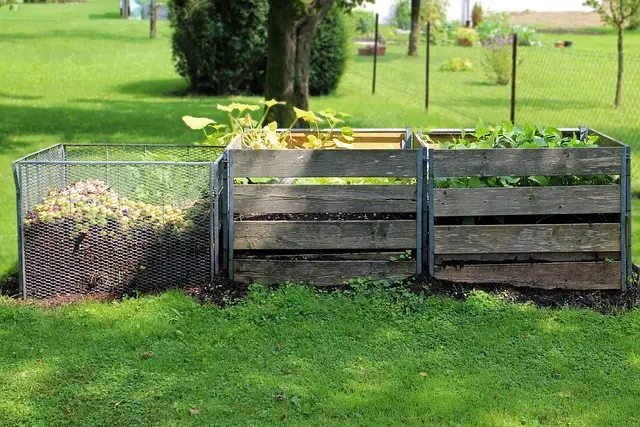
If you have outdoor space, this traditional method lets you connect directly with nature. Layer โ€œbrownsโ€ and โ€œgreens,โ€ keep it moist, and turn it once in a while. Itโ€™s simple, effective, and deeply grounding.

Quick Highlights:

  • ๐Ÿ‚ Mix browns (leaves, cardboard) and greens (scraps, grass)

  • ๐Ÿ”„ Turn the pile every few weeks for faster compost

  • ๐ŸŒž Keep it covered to hold moisture and warmth

ย 

๐Ÿชด Related Posts:

๐ŸŒ Learn More:How to Use a Compost Tumbler to Turn Scraps Into Garden Nutrients

๐Ÿ“š Related Book: The Rodale Book of Compostingย 

(A practical guide to turning organic waste into rich compost for healthier, sustainable gardens.)

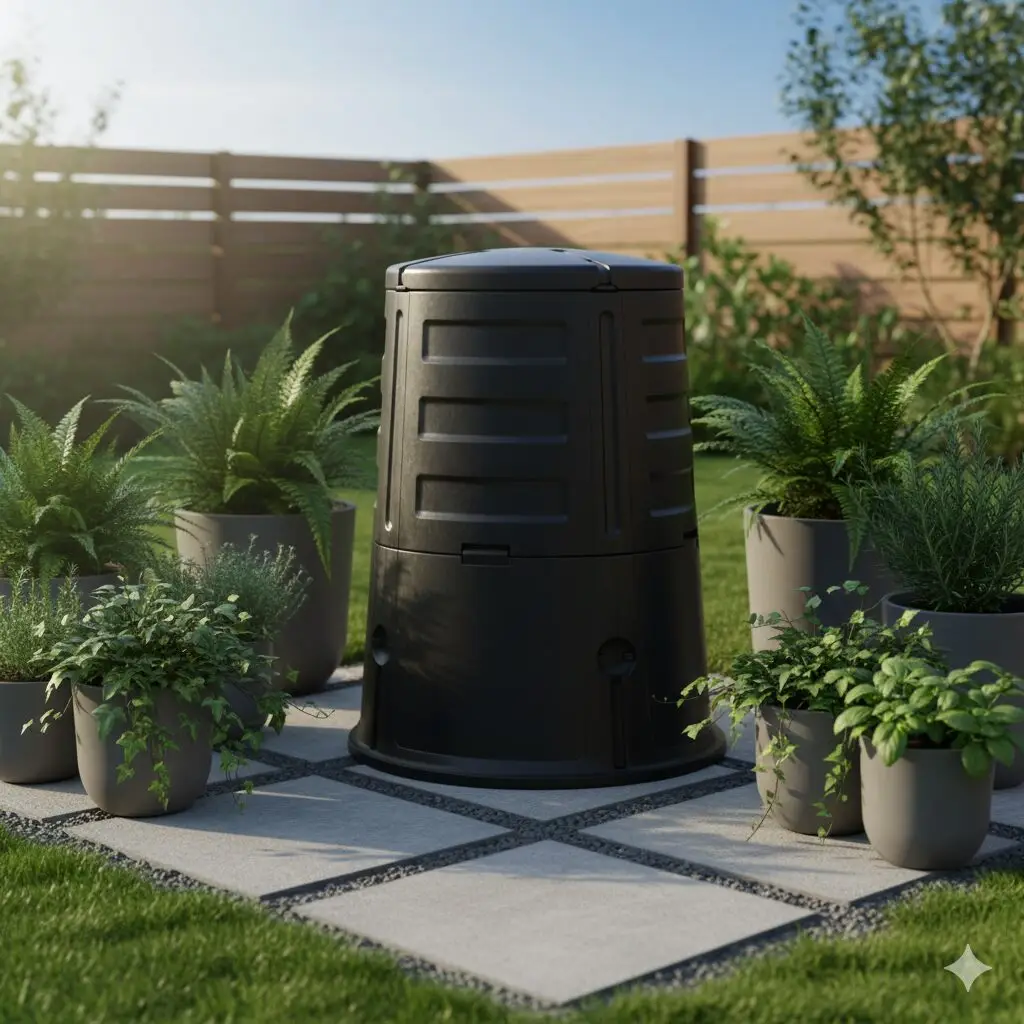
2. ๐Ÿ”„ Compost Tumbler (Low Effort)

Great for anyone who wants composting without the mess. Just toss in scraps, close the lid, and give it a few spins weekly. Perfect for small spaces or busy lives.

Quick Highlights:

  • ๐ŸŒช๏ธ Turn the drum a few times each week

  • ๐Ÿšซ Keeps pests and odor under control

  • โณ Compost ready in 4โ€“6 weeks depending on weather

ย 

๐Ÿชด Related Posts:

๐ŸŒ Learn More: Guide to Compost Tumblers

๐Ÿ“š Related Book: Let It Rot! by Stu Campbellย 

(A simple, down-to-earth guide to making compost easily and effectively at home.)

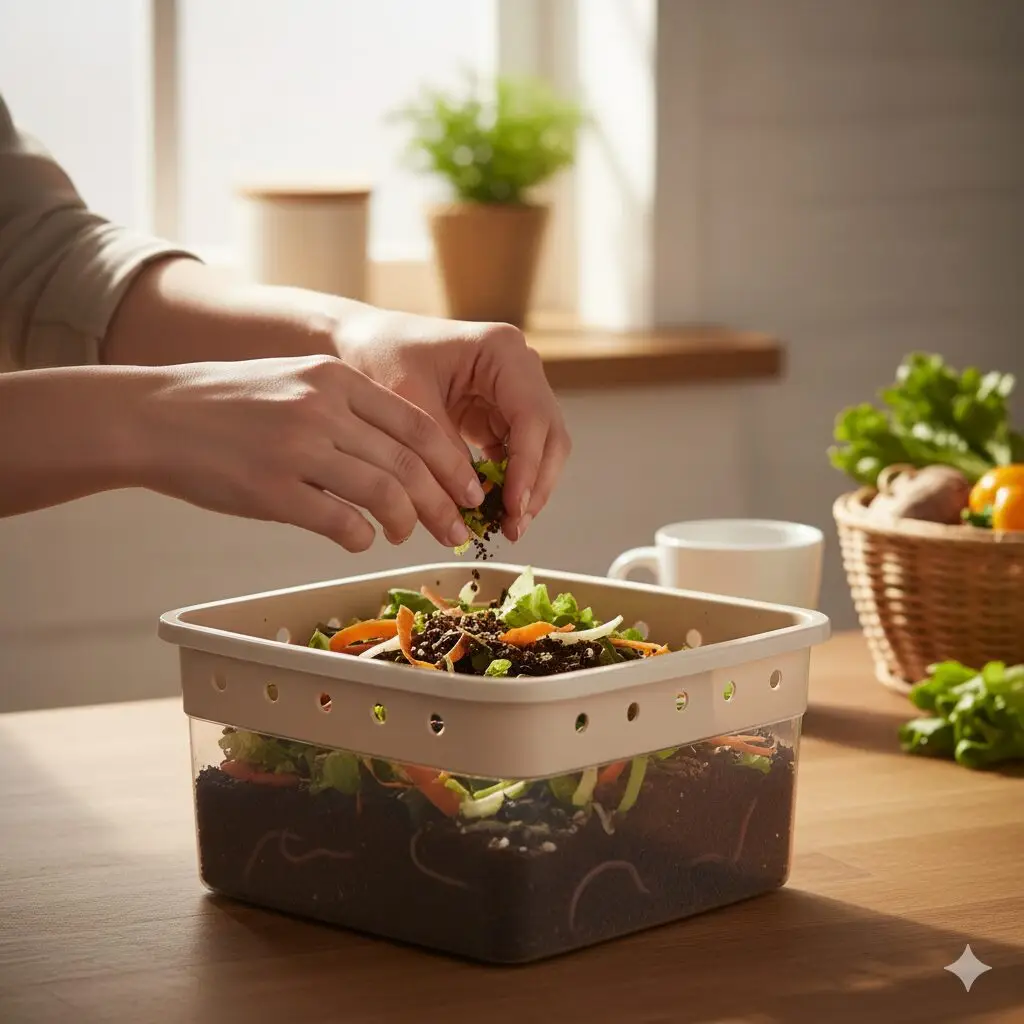
3. ๐Ÿชฑ Vermicomposting (Worm Bin)

Perfect for apartments or indoor setups โ€” and yes, itโ€™s cleaner than it sounds! Your red wigglers will quietly transform scraps into nutrient-rich castings that plants love.

Quick Highlights:

  • ๐Ÿชฑ Keep worms fed with veggie scraps and paper bedding

  • ๐Ÿ’ง Maintain moisture, not soaking wet

  • ๐ŸŒฟ Harvest rich compost every few months

๐Ÿชด Related Posts:

๐ŸŒ Learn More: Worm Composting Basics

๐Ÿ“š Related Book: Worms Eat My Garbage by Mary Appelhof

(A beginner-friendly guide to composting with worms and turning kitchen scraps into rich soil.)

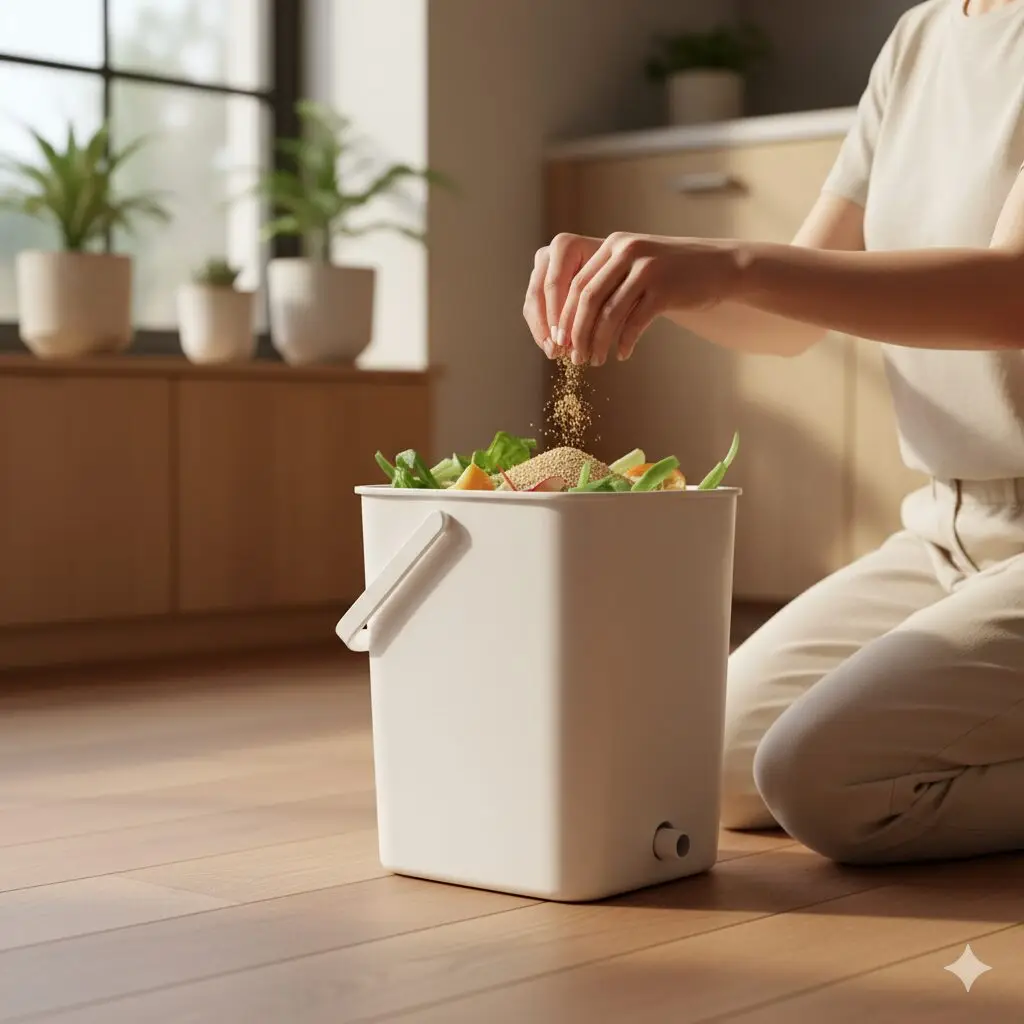
4. ๐Ÿš Bokashi (Fermentation)

An easy indoor option that uses microbes to ferment your scraps โ€” even meat and dairy! Once fermented, you can bury it in soil for full breakdown.

Quick Highlights:

  • ๐Ÿง‚ Sprinkle Bokashi bran over every new layer

  • ๐Ÿชฃ Keep sealed to stay odor-free

  • ๐ŸŒพ Bury in soil after fermentation for final composting

ย 

๐Ÿชด Related Posts:

๐ŸŒ Learn More: Bokashi Composting: A Faster, Easier Way to Turn Kitchen Scraps into Garden Gold

๐Ÿ“š Related Book: Bokashi Composting by Adam Footer

(A practical guide to fermenting food waste into compost using the bokashi method.)

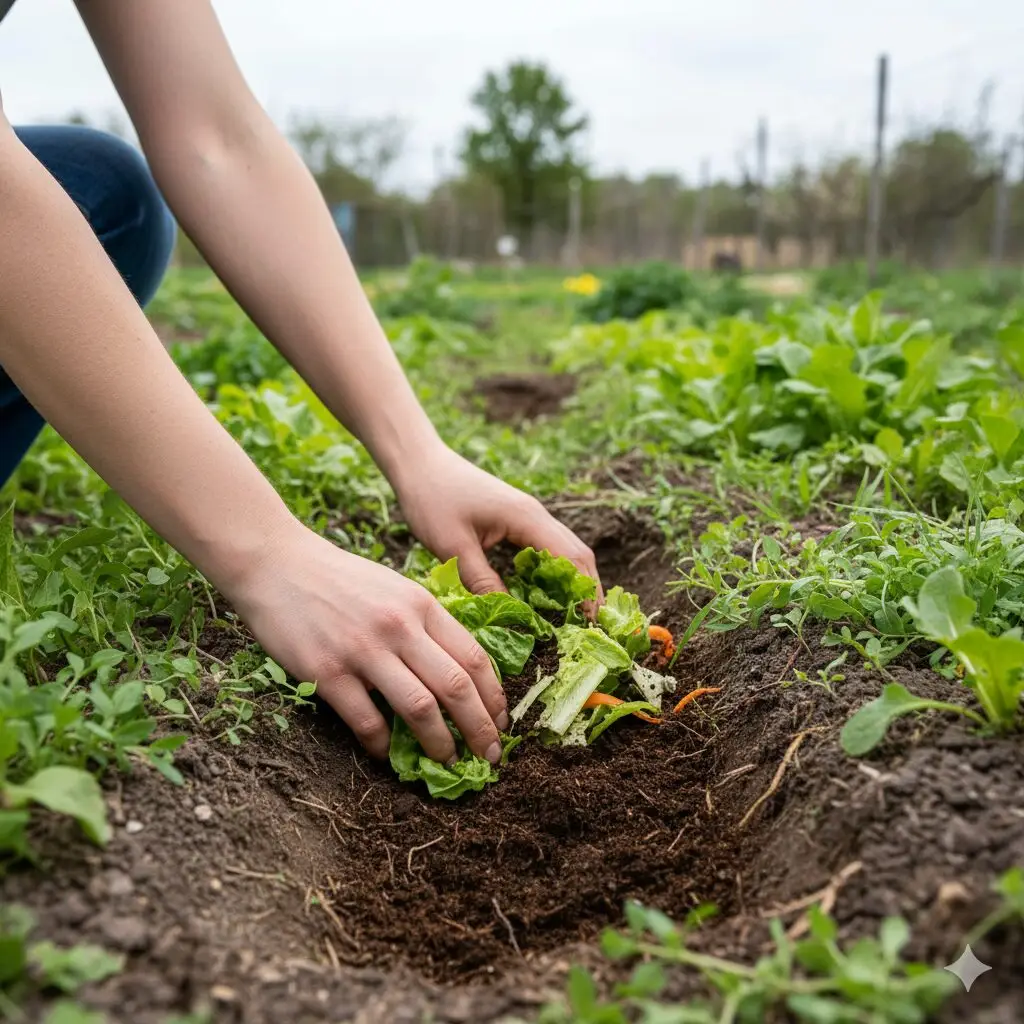
5. ๐ŸŒพ Trench or In-Garden Composting

This natural method is nearly invisible โ€” dig a small trench or hole, bury your scraps, and let nature take care of the rest. Perfect for gardeners who love quiet, hands-on solutions.

Quick Highlights:

  • ๐ŸŒฑ Dig trenches 6โ€“8 inches deep

  • ๐ŸŒ Add food waste directly and cover with soil

  • ๐Ÿž Let soil microbes and worms do the work

๐Ÿชด Related Posts:

๐ŸŒ Learn More: Trench Composting Guide

๐Ÿ“š Related Book: Teaming with Microbes by Jeff Lowenfels & Wayne Lewis

(An in-depth exploration of the soil food web and how nurturing microbes leads to healthier, more productive gardens.)ย 

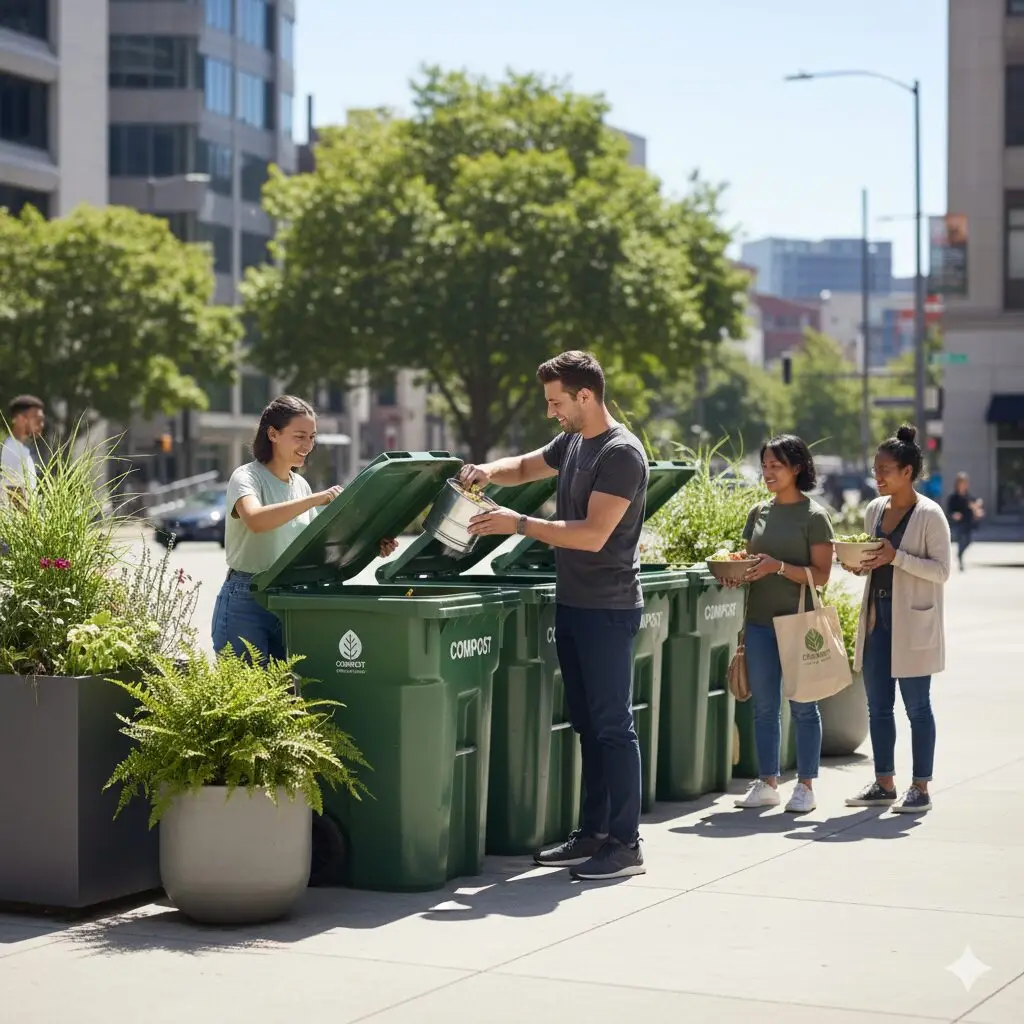
6. ๐Ÿ™๏ธ Community Drop-Off / Curbside

No yard? No problem. Join local compost programs! Collect scraps and drop them off weekly or use a curbside bin if your city offers one. Youโ€™re still helping reduce landfill waste. โ™ป๏ธ

Quick Highlights:

  • ๐Ÿชฃ Store scraps in a freezer or pail between drop-offs

  • ๐Ÿ“ Find community bins or farmerโ€™s markets that accept compost

  • ๐ŸŒฟ Share with neighbors or community gardens

๐Ÿชด Related Posts:

๐ŸŒ Learn More: Community Composting | EPA

๐Ÿ“š Related Book: Compost City by Rebecca Louieย 

(A modern guide to composting in small spaces for urban and apartment living.)

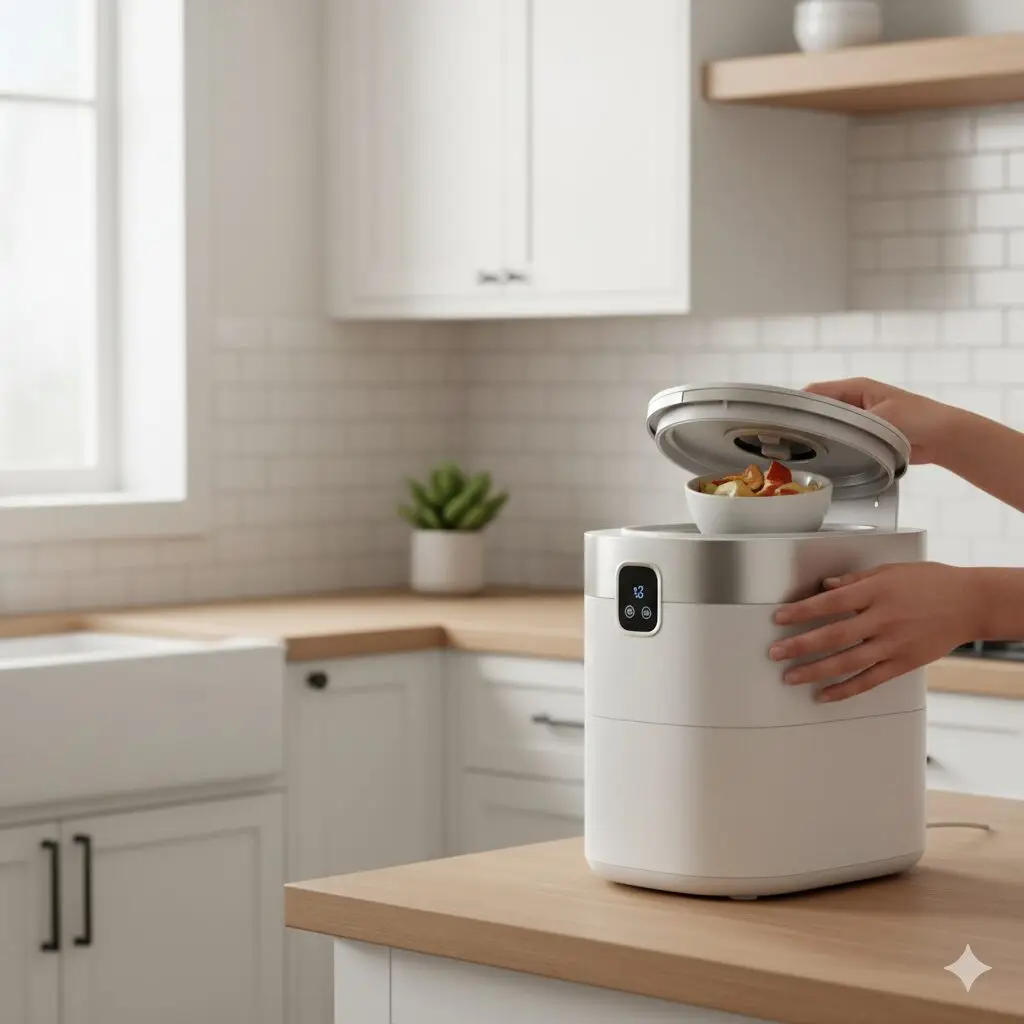
7. โšก Countertop โ€œCompostersโ€ (Pre-Processing)

A modern choice for small apartments. These machines dehydrate and grind scraps โ€” not true compost, but a great way to reduce waste volume and odor indoors.

Quick Highlights:

  • โš™๏ธ Dehydrates and crushes scraps overnight

  • ๐Ÿงบ Add output to soil or compost pile later

  • ๐Ÿก Ideal for kitchens or small spaces

๐Ÿชด Related Posts:

๐ŸŒ Learn More: Compost At Home

๐Ÿ“š Related Book: Composting for a New Generation by Michelle Balzย 

(A fresh, practical guide that blends modern composting methods with creative projects for todayโ€™s eco-conscious gardeners.)

Composting is a simple act with powerful impact. By turning everyday waste into nutrient-rich soil, we not only reduce landfill waste but also give back to the earth in a natural, sustainable cycle. Whether you start with a small kitchen bin or a backyard pile, each compost effort brings you closer to a greener lifestyle โ€” one that values renewal, balance, and mindful living.

Compost Tips & Insights โ€” EcoChyce

Get composting know-how, backyard and kitchen tips, and small eco-actions that turn waste into soil. One to two emails per month. No spam.

We send thoughtful content โ€” not noise. You can opt out anytime with one click.

Related Posts: