




Best Worms for Composting: Which Ones to Use and Why

This post may contain affiliate links. As an EcoChyce reader, your support helps us continue sharing sustainable guides at no extra cost to you.

Not all worms are created equal when it comes to composting! The right species can speed up the process and keep your compost healthy. Let’s explore the best types of compost worms and why they’re perfect for your vermicomposting setup.

🪱 How Worms Turn Waste Into Gold


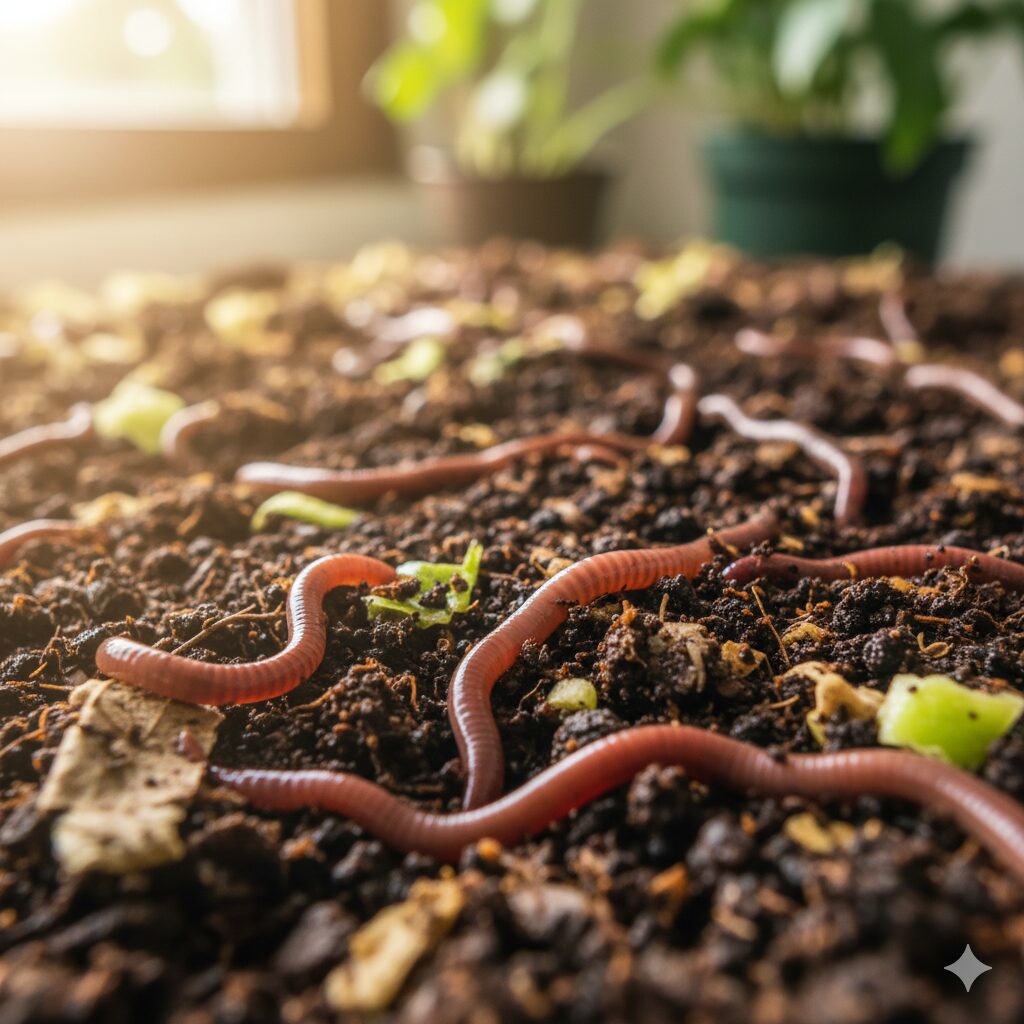
Compost worms are like tiny recycling machines ♻️ — quietly eating food scraps, paper, and organic bits and turning them into nutrient-rich worm castings (basically plant superfood). 🌿

As they wriggle around, they mix and aerate the compost — keeping it fluffy, oxygen-filled, and odor-free. This natural process breaks everything down faster while keeping your compost bin clean and balanced.


💚 Why it helps:

  • Worms boost your soil with beneficial microbes 🦠

  • Their castings help plants grow stronger roots 🌱

  • Soil stays moist longer 💧

  • Less waste goes to landfills 🌎

  •  

✨ Every handful of worm compost is alive with nutrients — it’s nature’s way of turning waste into new life.


Let’s look at five of the best composting worms that every eco-home or garden setup can benefit from.

1. Red Wigglers (Eisenia fetida)

About: These are the most popular composting worms — small, red-orange surface dwellers that love eating kitchen scraps. They live in the top layers of your bin and can process their body weight in food daily. Red Wigglers are tough, quick to multiply, and thrive in most indoor setups.
Why they’re great:

  • Eat fast and breed quickly 🍎

  • Handle temperature changes well

  • Odor-free and beginner-friendly — perfect for small or indoor compost bins

2. European Nightcrawlers (Eisenia hortensis)

About: Slightly larger than Red Wigglers, European Nightcrawlers are strong, active, and love to dig deeper into the bedding. They adapt well to moderate climates and make a great crossover between composting and gardening. Their size also makes them popular for fishing and outdoor bins.
Why they’re great:

  • Hardy and low-maintenance 💪

  • Great for both composting and soil aeration

  • Tolerate cooler temps and larger food pieces

3. African Nightcrawlers (Eudrilus eugeniae)

About: These tropical worms thrive in warm, humid environments and are known for producing some of the richest, finest compost. They grow larger than Red Wigglers and work incredibly fast in steady warmth. African Nightcrawlers do best in outdoor bins or warm indoor setups.
Why they’re great:

  • Super fast composters ☀️

  • Produce fine, dark, nutrient-rich castings

  • Perfect for warm climates and active compost systems

4. Blue Worms (Perionyx excavatus)

About: Blue Worms are small, energetic tropical worms that love heat and humidity. They move fast, reproduce quickly, and can eat a lot for their size. However, they prefer consistent warmth, so they’re best for warm regions or stable indoor bins.
Why they’re great:

  • Quick eaters that keep compost loose and fluffy 🔥

  • Great for tropical or heated environments

  • Excellent option for experienced composters in warm climates

5. Indian Blue Worms (Perionyx sansibaricus)

About: Close relatives of Blue Worms, Indian Blues are calm but just as efficient. They’re strong breeders, thrive in consistent heat, and help speed up composting cycles when maintained at warm, stable temperatures.
Why they’re great:

  • Excellent for hot or tropical climates 🌞

  • Reliable and productive year-round

  • Great choice for warm-region vermicomposting setups

🌼 Conclusion

Each worm brings its own magic to the compost — some fast, some steady, all working together to turn scraps into living soil. 🪱✨
Choosing the right one for your space and climate makes your compost system smoother, cleaner, and more rewarding. Whether you start small with Red Wigglers or go bold with tropical species, you’re building a tiny ecosystem that gives back to the Earth every single day. 🌍💚

Related Posts: